Disclaimer: Travel information is subject to change. Please verify current requirements and conditions before traveling.
Here is the comprehensive blog post on "The Art of Slow travel":
“`json
ect with yourself.,
What is Slow Travel?
Slow travel is a travel philosophy that emphasizes a more relaxed and immersive approach to exploring new places. It’s about slowing down, savoring local experiences, and reco
ecting with yourself and the local culture. Unlike traditional <a href="https://story.soulpen.in/your-iran-adventure-<a href="https://story.soulpen.in/your-sri-lanka-adventure-essential-travel-travel-tips/”>essential-tourism-travel-tips/”>tourism, which often focuses on ticking off a list of sights and attractions, slow travel encourages you to linger, observe, and engage with your surroundings.
Benefits of Slow Travel
So, why adopt the slow travel approach? Here are just a few benefits:
- Deeper cultural immersion: By spending more time in one place, you can gain a deeper understanding of the local culture, traditions, and way of life.
- Reduced stress: Slow travel allows you to relax and unwind, reducing the stress and anxiety often associated with fast-paced travel.
- Increased co
ections: By engaging with locals and fellow travelers, you can form meaningful co
ections and friendships that last a lifetime. - Sustainable tourism: Slow travel promotes sustainable tourism practices, supporting local businesses and reducing your carbon footprint.
How to Plan a Slow Travel Trip
Ready to adopt the slow travel approach? Here are some practical tips to help you plan your trip:
Choose Your Destination Wisely
When selecting a destination, consider places with a rich cultural heritage, stu
ing natural beauty, or a unique blend of both. Some popular slow travel destinations include:
- Italy: Known for its rich history, art, architecture, and delicious food.
- Thailand: Famous for its vibrant culture, stu
ing beaches, and bustling cities. - New Zealand: A nature lover’s paradise, with breathtaking landscapes and outdoor activities.
Slow Down Your Itinerary
Resist the temptation to cram too much into your itinerary. Instead, focus on a few key experiences and allow yourself time to relax and soak up the atmosphere. Consider:
- Spending at least 3-4 days in one place.
- Prioritizing local experiences, such as cooking classes, wine tastings, or guided tours.
- Leaving some free time for spontaneity and exploration.
Engage with Locals
One of the best ways to experience the local culture is to engage with the people who live there. Try:
- Staying in locally-owned accommodations, such as boutique hotels or homestays.
- Eating at local restaurants and cafes.
- Participating in local events and festivals.
Conclusion
The art of slow travel offers a refreshing alternative to traditional tourism. By adopting a more mindful and intentional approach to travel, you can deepen your cultural immersion, reduce stress, and form meaningful co
ections with locals and fellow travelers. Remember to choose your destination wisely, slow down your itinerary, and engage with locals. Happy travels!
,
ect with yourself.,
“`
Some image keywords that could be used to find relevant images for this post are:
* slow travel
* mindful exploration
* cultural immersion
* local experiences
* sustainable tourism
These keywords can help you find images that showcase the beauty of slow travel, such as serene landscapes, vibrant cultural scenes, and happy travelers engaging with locals.
Ready to start planning your trip? Share your travel experiences in the comments below!
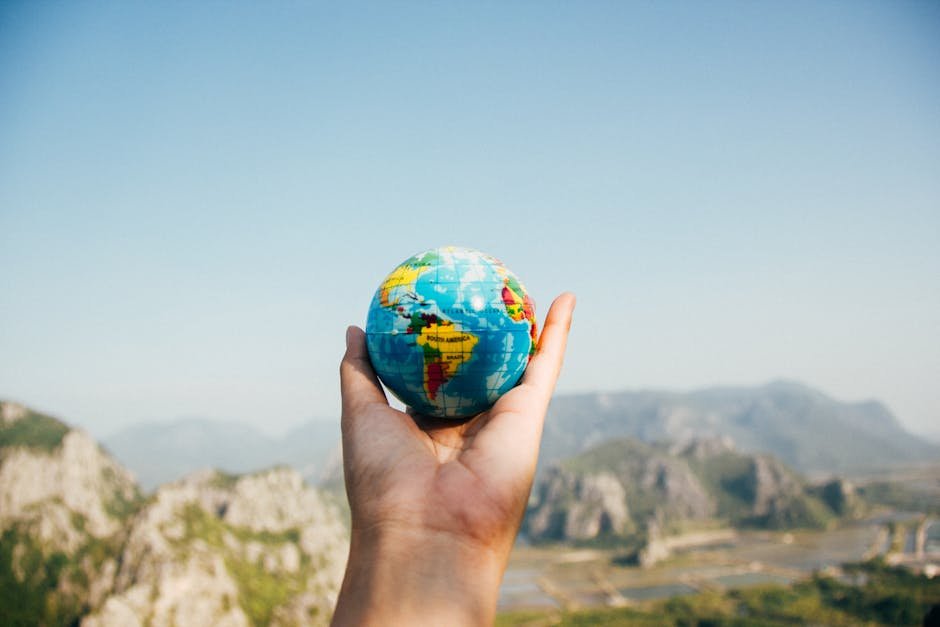
Photo by Song Kaiyue from Pexels