Disclaimer: Travel information is subject to change. Please verify current requirements and conditions before traveling.
Here is the comprehensive blog post on "The Art of Slow Travel":
“`json
ections with local cultures, enhances your travel experience, and promotes sustainable tourism.
What is Slow Travel?
Slow travel is a travel philosophy that emphasizes quality over quantity. It’s about taking the time to truly experience a place, its culture, and its people, rather than rushing to tick off a list of tourist attractions. Slow travel encourages you to slow down, be present, and engage with your surroundings in a more meaningful way.
Benefits of Slow Travel
- Deeper cultural immersion: Slow travel allows you to co
ect with local cultures on a deeper level, fostering greater understanding and empathy. - Reduced stress: By taking your time and traveling at a relaxed pace, you’ll experience less stress and more enjoyment.
- Sustainable tourism: Slow travel promotes sustainable tourism practices, supporting local economies and reducing your carbon footprint.
How to Plan a Slow Travel Trip
Pla
ing a slow travel trip requires a different approach than traditional travel pla
ing. Here are some practical tips to get you started:
Choose Your Destination Wisely
Select a destination that resonates with you, whether it’s a place you’ve always wanted to <a href="https://story.soulpen.in/visit-afghanistan-ultimate-travel-travel-planning-guide/”>visit or a hidden gem you’ve recently discovered. Consider factors like language, culture, and climate when making your decision.
Set a Realistic Pace
Resist the temptation to cram too much into your itinerary. Instead, focus on exploring one or two destinations in-depth, allowing you to truly experience the local culture and way of life.
Stay in One Place Longer
Consider staying in one place for an extended period, rather than moving from one destination to another. This will give you the opportunity to settle into the local rhythm and co
ect with the community.
Cultural Insights and Tips
Slow travel is not just about the destination – it’s also about the people and the culture. Here are some cultural insights and tips to enhance your slow travel experience:
Learn a Few Key Phrases
Take the time to learn a few key phrases in the local language, such as greetings, thank you, and basic phrases like where is…? or how much is this?.
Engage with Locals
Don’t be afraid to strike up conversations with locals, whether it’s at a market, in a café, or at your accommodation. This is a great way to gain insights into the local culture and way of life.
Respect Local Customs
Be mindful of local customs and traditions, especially when visiting sacred sites or attending cultural events. Take the time to learn about local etiquette and dress modestly when necessary.
Conclusion
The art of slow travel is a journey, not a destination. By adopting a more mindful and immersive approach to travel, you’ll not only enhance your travel experience but also contribute to a more sustainable and responsible tourism industry. So why not give slow travel a try? Take your time, be present, and discover the beauty of slow travel for yourself.
,
“`
Some image keywords that could be used to find related images for this blog post include:
* slow travel
* mindful travel
* cultural immersion
* local markets
* sustainable tourism
These keywords can help you find images that showcase the beauty of slow travel, from bustling local markets to serene natural landscapes.
Ready to start planning your trip? Share your travel experiences in the comments below!
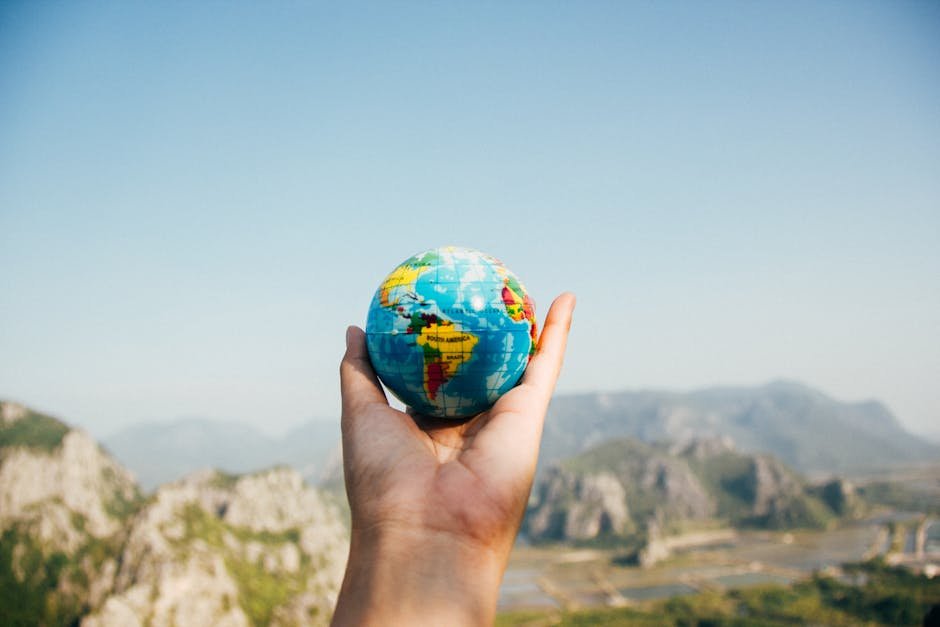
Photo by Song Kaiyue from Pexels