Disclaimer: Travel information is subject to change. Please verify current requirements and conditions before traveling.
Here is a comprehensive, SEO-optimized blog post on "The Art of Slow <a href="https://story.soulpen.in/alaska-travel-tips-your-destination-adventure-awaits/”>travel":
“`json
ection with the places you visit and the people you meet? Then it’s time to discover the art of slow travel.
What is Slow Travel?
Slow travel is a mindset and a way of exploring the world that emphasizes quality over quantity. It’s about immersing yourself in local cultures, savoring every moment, and letting go of your need for constant activity and productivity.
Slow travel is not just about traveling slowly; it’s about traveling deeply. It’s about forming co
ections with the people you meet, trying new foods, and learning about the history and customs of the places you visit.
Benefits of Slow Travel
- Deeper cultural immersion: Slow travel allows you to experience the local way of life, try new foods, and attend cultural events.
- Mindful exploration: By taking your time, you can notice details you might otherwise miss, from the architecture to the wildlife.
- Relaxation and rejuvenation: Slow travel can be a great way to unwind and recharge, especially if you’re traveling to a peaceful or natural destination.
- More authentic experiences: By avoiding tourist traps and taking the road less traveled, you can have more authentic experiences and create lasting memories.
How to Plan Your Slow Travel Trip
Pla
ing a slow travel trip requires a different approach than traditional travel pla
ing. Here are some tips to get you started:
Choose Your Destination Wisely
Select a destination that resonates with you, whether it’s a city, a national park, or a small town. Consider the local culture, history, and natural environment, as well as your own interests and preferences.
Set a Realistic Pace
Don’t try to cram too much into your itinerary. Leave room for spontaneity and flexibility, and prioritize experiences over sightseeing.
Stay in One Place Longer
Consider staying in one place for a longer period, such as a week or two. This will allow you to settle in, get to know the locals, and explore the surrounding area.
Co
ect with Locals
Co
ecting with locals is a key part of slow travel. Try staying in locally-owned accommodations, eating at family-run restaurants, and attending community events.
Slow Travel Tips and Tricks
Here are some additional tips and tricks to help you make the most of your slow travel experience:
- Pack lightly: Don’t overpack; bring only what you need and what will make your travels more enjoyable.
- Be present: Stay in the moment and focus on your surroundings; avoid distractions like your phone or camera.
- Take breaks: Don’t be afraid to take breaks and rest; slow travel is about relaxation and rejuvenation, too.
- Try new things: Be open to new experiences, whether it’s trying new foods, taking a local class, or attending a cultural event.
Conclusion
The art of slow travel is a journey, not a destination. It’s about embracing a mindset that values depth over breadth, co
ection over consumption, and experience over expectation.
By incorporating slow travel into your travel plans, you can create lasting memories, form meaningful co
ections, and return home feeling refreshed and renewed.
,
“`
Some relevant image keywords for this post could be:
* slow travel
* cultural immersion
* mindful exploration
* relaxation
* local culture
These keywords can help you find images that reflect the themes and ideas discussed in the post, and add visual interest to your content.
Ready to start planning your trip? Share your travel experiences in the comments below!
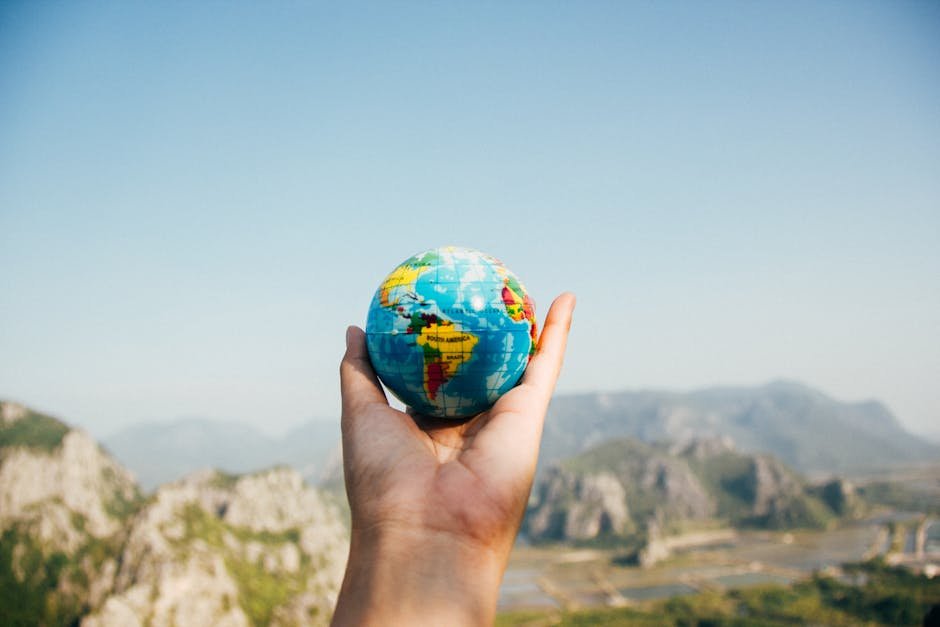
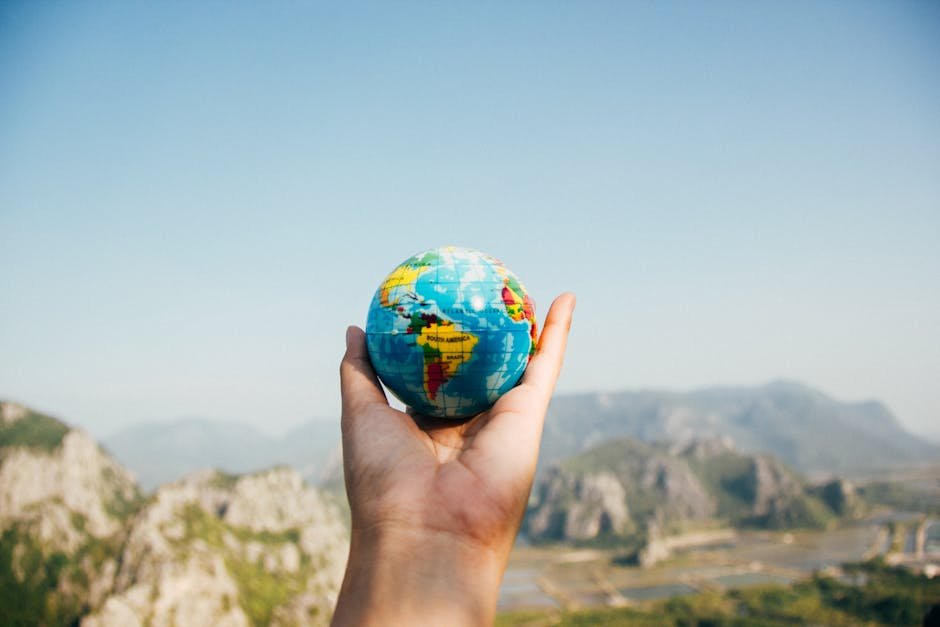
Photo by Song Kaiyue from Pexels