Disclaimer: Travel information is subject to change. Please verify current requirements and conditions before traveling.
Here is a comprehensive, SEO-optimized blog post on "The Art of Slow travel":
“`json
ect,
ections with local cultures and yourself.,
ect with local cultures, reflect on your experiences, and gain a deeper understanding of yourself and the world around you.
What is Slow Travel?
Slow travel is a travel philosophy that emphasizes the importance of taking your time, being present, and fully engaging with your surroundings. It’s about embracing the local culture, trying new foods, and learning about the history and customs of the places you visit. Slow travel is not just about the <a href="https://story.soulpen.in/the-complete-bahamas-guide-<a href="https://story.soulpen.in/madrid-destination-guide-travel-travel-essentials/”>destination-travel-secrets/”>destination; it’s about the journey, the people you meet, and the experiences you have along the way.
Benefits of Slow Travel
So, why should you adopt the slow travel approach? Here are just a few benefits:
- Deeper cultural co
ections: By taking your time, you’ll have the opportunity to truly co
ect with local cultures and gain a deeper understanding of the places you visit. - More meaningful experiences: Slow travel allows you to have more meaningful experiences, whether it’s trying new foods, attending local events, or simply taking the time to people-watch.
- Reduced stress: Traveling can be stressful, but slow travel encourages you to take it easy, relax, and enjoy the journey.
- Sustainable tourism: By supporting local businesses and communities, slow travel promotes sustainable tourism and helps to preserve the environment and cultural heritage of the places you visit.
Tips for Pla
ing a Slow Travel Trip
So, how do you plan a slow travel trip? Here are some practical tips:
Choose Your Destination Wisely
When it comes to slow travel, the destination is key. Look for places that are off the beaten path, where you can truly immerse yourself in the local culture. Consider visiting smaller towns or rural areas, where you can experience the authentic rhythms of local life.
Take Your Time
One of the most important aspects of slow travel is taking your time. Don’t try to cram too much into your itinerary – leave room for spontaneity and flexibility. Consider staying in one place for a longer period of time, rather than rushing from one destination to another.
Co
ect with Locals
Co
ecting with locals is a key part of the slow travel experience. Consider staying in locally-owned accommodations, eating at family-run restaurants, and taking part in local tours or activities. This will give you the opportunity to learn about the local culture and way of life.
Be Mindful and Present
Slow travel is not just about the destination – it’s about the journey. Take the time to be mindful and present, whether you’re walking through a new city, trying new foods, or simply sitting in a park. Pay attention to your surroundings, and let go of distractions.
Conclusion
The art of slow travel is a powerful way to explore the world, co
ect with local cultures, and gain a deeper understanding of yourself. By taking your time, being present, and embracing the local culture, you’ll have the opportunity to have more meaningful experiences, reduce stress, and promote sustainable tourism. So why not give slow travel a try? You never know where it might take you.
,
ections with local cultures and yourself.,
Ready to start planning your trip? Share your travel experiences in the comments below!
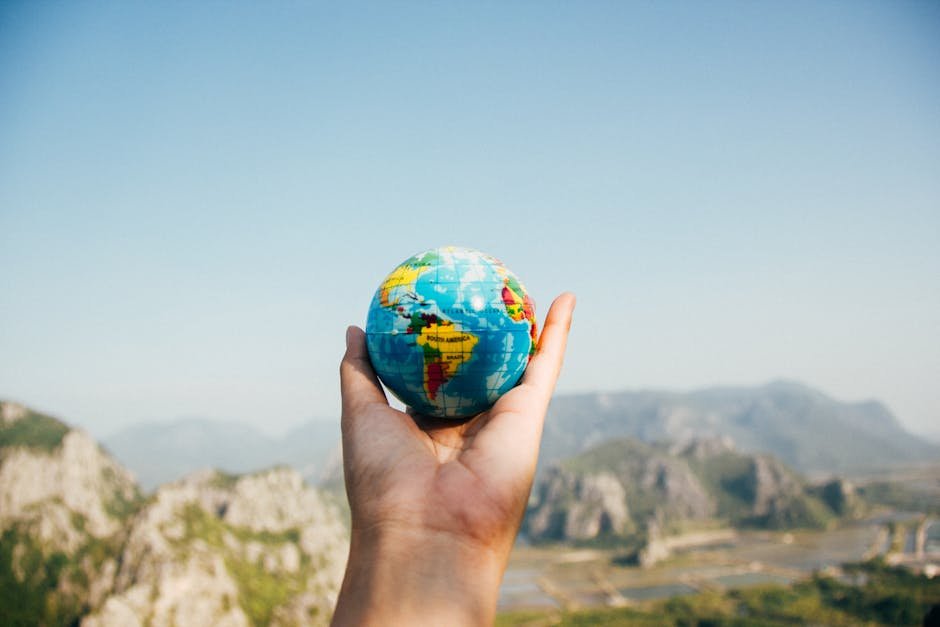
Photo by Song Kaiyue from Pexels