Travel

Travel guides, destination information, and travel tips.

Travel

Family Beach Vacation: 10 Stress-Free Destinations for Kids

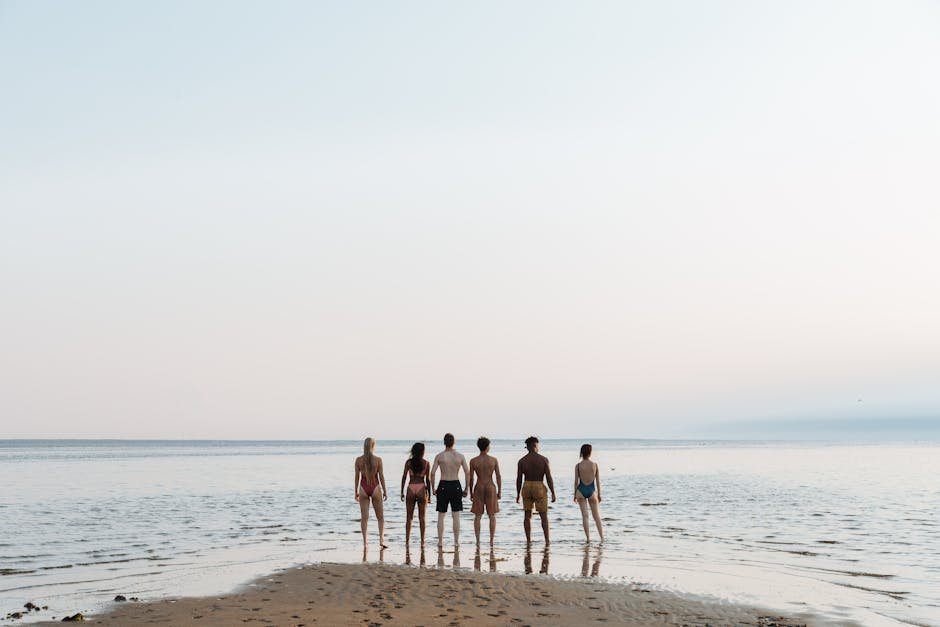
Planning a family beach vacation shouldn’t feel like a chore. With the right destination, you can create unforgettable memories without the stress. But how do you find the perfect spot that caters to both parents and kids? Look no further! In this guide, we’ll explore the best beaches for families, share tips for kid-friendly travel, and ensure your trip is as stress-free as possible. A family beach vacation offers the perfect blend of relaxation and adventure. Beaches provide endless opportunities for kids to explore, from building sandcastles to splashing in the waves, while parents can unwind with a book or enjoy water sports. Plus, many family-friendly beach destinations offer amenities like lifeguards, shallow waters, and nearby attractions, making them ideal for travel with kids. Top 10 Family-Friendly Beach Destinations Here are the best beaches for families that promise fun, safety, and relaxation for everyone: # 1. Maui, Hawaii With its calm waters and kid-friendly resorts, Maui is a paradise for families. Don’t miss Baby Beach in Lahaina, where shallow waters are perfect for toddlers. # 2. San Diego, California From the iconic La Jolla Shores to the interactive Birch Aquarium, San Diego offers endless kid-friendly travel options. # 3. Outer Banks, North Carolina This serene destination is ideal for families who love nature. Explore lighthouses, wild horses, and gentle waves. # 4. Clearwater Beach, Florida Known for its soft sand and clear waters, Clearwater Beach also features the family-friendly Clearwater Marine Aquarium. # 5. Myrtle Beach, South Carolina With amusement parks, mini-golf, and a wide shoreline, Myrtle Beach is a hit with kids of all ages. # 6. Cannon Beach, Oregon For families who love scenic views, Cannon Beach offers tide pools, Haystack Rock, and a laid-back vibe. # 7. Gulf Shores, Alabama This affordable destination boasts warm waters, dolphin cruises, and plenty of family-friendly activities. # 8. Cape Cod, Massachusetts With its charming towns and calm beaches, Cape Cod is perfect for a relaxing family beach vacation. # 9. Cancun, Mexico Cancun’s all-inclusive resorts and kid-friendly activities make it a stress-free option for international travel. # 10. Gold Coast, Australia From surf lessons to theme parks, the Gold Coast offers a mix of adventure and relaxation for families. Tips for a Stress-Free Family Beach Trip Planning is key to ensuring your family beach vacation is as smooth as possible. Here are some actionable tips: Pack Smart: Bring essentials like sunscreen, hats, and reusable water bottles. Don’t forget beach toys and a first-aid kit. Choose the Right Accommodation: Opt for family-friendly resorts or vacation rentals with kitchenettes for convenience. Plan Kid-Friendly Activities: Research nearby attractions, such as aquariums, parks, or museums, to keep kids entertained. Safety First: Always swim in designated areas with lifeguards and teach kids about water safety. Time It Right: Visit beaches early in the morning or late afternoon to avoid crowds and harsh sun. How to Keep Kids Entertained on the Beach A family beach vacation is all about fun, but kids can get bored quickly. Here are some ideas to keep them engaged: Sandcastle Competitions: Bring molds and tools for creative building. Beach Scavenger Hunts: Create a list of items to find, like seashells or seaweed. Water Games: Try paddleboarding, snorkeling, or simply playing catch in the waves. Nature Exploration: Teach kids about marine life by exploring tide pools or spotting dolphins. Budget-Friendly Family Beach Vacations Traveling with kids doesn’t have to break the bank. Here’s how to plan an affordable family beach vacation: Travel Off-Season: Avoid peak times to save on flights and accommodations. Book Early: Secure deals by planning ahead. Pack Snacks: Save money by bringing your own food instead of eating out. Look for Free Activities: Many beaches offer free events, like outdoor movies or bonfires. Conclusion A family beach vacation is the perfect way to bond, relax, and create lasting memories. By choosing one of the best beaches for families and following our stress-free travel tips, you can ensure a trip that’s enjoyable for everyone. Ready to start planning? Pack your bags, grab the sunscreen, and get ready for an unforgettable adventure!
Travel

Top 10 Budget-Friendly Travel Destinations for Solo Travelers in 2025

Dreaming of an unforgettable solo adventure but worried about costs? You’re not alone—68% of travelers prioritize budget-friendly destinations when planning trips. The good news? 2025 is packed with affordable solo travel destinations that won’t break the bank. From hidden gems to bustling cities, this guide reveals the best cheap places to visit for solo explorers, students, and budget-conscious wanderers. Solo travel doesn’t have to mean luxury splurges. With smart planning, you can: Save on accommodations (hostels, homestays, or work exchanges) Eat like a local (street food markets > pricey restaurants) Use public transport (trains, buses, and budget airlines)   Here are the top 10 budget travel hotspots for 2025, combining safety, adventure, and affordability. 1. Hanoi, Vietnam # Why It’s Perfect for Solo Travelers Daily budget: $25–$35 Must-do: Explore the Old Quarter’s $1 street food stalls Pro tip: Rent a motorbike for $5/day to tour rice paddies   Vietnam’s capital offers rich culture, cheap eats, and vibrant hostels. Don’t miss Ha Long Bay—book a $50 overnight cruise! 2. Lisbon, Portugal # Affordable European Charm Daily budget: $40–$50 Must-do: Ride historic Tram 28 for scenic views Pro tip: Stay in Alfama for cheap guesthouses   Lisbon blends old-world beauty with budget-friendly vibes. Enjoy free walking tours and $3 pastéis de nata. 3. Medellín, Colombia # South America’s Budget Gem Daily budget: $30–$40 Must-do: Take the $4 cable car to Parque Arví Pro tip: Use the Metro system (just $0.80 per ride)   Medellín’s eternal spring weather and $10/day coworking spaces make it ideal for digital nomads. 4. Kathmandu, Nepal # Adventure on a Shoestring Daily budget: $20–$30 Must-do: Hike the Annapurna Circuit (budget $500 for 2 weeks) Pro tip: Book teahouse lodges for $3/night   Nepal is a mecca for trekkers and spiritual seekers. Flights from Delhi start at $100 round-trip. 5. Istanbul, Turkey # Where East Meets West (Affordably) Daily budget: $35–$45 Must-do: Haggle at the Grand Bazaar Pro tip: Visit hammams for $15 massages   Turkey’s weak lira means huge savings for travelers. Hostel dorms cost under $10/night. 6. Mexico City, Mexico # Culture and Tacos Under $30/Day Daily budget: $25–$35 Must-do: Frida Kahlo Museum ($10 entry) Pro tip: Eat at local markets for $2 meals   CDMX’s art scene and nightlife are legendary. Uber rides cost just $2–$5 across the city. 7. Belgrade, Serbia # Europe’s Underrated Budget Hub Daily budget: $30–$40 Must-do: Party at splavovi (floating river clubs) Pro tip: Visit in May for $15 music festivals   Belgrade offers European charm at Southeast Asia prices. Beer? Just $1.50! 8. Siem Reap, Cambodia # Ancient Temples & $5 Guesthouses Daily budget: $20–$30 Must-do: Sunrise at Angkor Wat ($37 3-day pass) Pro tip: Rent a bike for $2/day to explore   Cambodia’s low costs and friendly locals make it a solo traveler’s dream. 9. Kraków, Poland # Medieval Beauty on a Budget Daily budget: $35–$45 Must-do: Tour Auschwitz (free entry) Pro tip: Try zapiekanka (Polish pizza) for $2   Kraków’s history and hearty food won’t drain your wallet. Hostels start at $8/night. 10. Marrakech, Morocco # Exotic & Affordable Daily budget: $30–$40 Must-do: Get lost in the souks Pro tip: Stay in a riad for $20/night   Morocco’s vibrant markets and desert tours (from $50) are bucket-list worthy. Budget Travel Hacks for 2025 Book flights mid-week: Save up to 20% Travel offseason: Avoid summer in Europe Use apps: Skyscanner, Hostelworld, and Too Good To Go   Conclusion Budget travel in 2025 is all about smart choices—whether it’s Hanoi’s $1 pho or Kraków’s $8 hostels. These 10 solo travel destinations prove adventure doesn’t require deep pockets. Ready to explore? Start planning with our [free budget travel checklist] (link here)!

Travel

Visit Socotra Island: Ultimate tourism Travel Planning Guide

Socotra, locally known as Saqatri, is a Yemeni island in the Indian Ocean. Situated between the Guardafui Channel and the Arabian Sea, it lies near major shipping routes. Socotra is the largest of the six islands in the Socotra archipelago as it comprises around 95% of the landmass of the archipelago. It lies 380 kilometres (205 nautical miles) south of the Arabian Peninsula and 232 km (125 nmi) east of the Horn of Africa. The inhabitants of the island are called Socotrans, and they speak Arabic and Soqotri. Socotra is home to a high number of unique species that are endemic to it. Up to a third of its plant life is unique. Due to the island’s unusual geography, it has been described as “the most alien-looking place on Earth”. The island measures 132 km (82 mi) in length and 42 km (26 mi) across at its widest. In 2008, Socotra was recognised as a UNESCO World Heritage Site. The island is under the control of the Southern Transitional Council (STC), a United Arab Emirates-backed, pro-Presidential Leadership Council (PLC), “secessionist” faction in Yemen’s ongoing civil war. The STC seized control of the island following a coup in 2020, ousting the local authorities and establishing its own governance. This guide provides essential information for fitness enthusiasts looking for Socotra Island vacation guide. Source: Wikipedia Top Attractions and Activities Socotra, locally known as Saqatri, is a Yemeni island in the Indian Ocean. Situated between the Guardafui Channel and the Arabian Sea, it lies near major shipping routes. Socotra is the largest of the six islands in the Socotra archipelago as it comprises around 95% of the landmass of the archipelago. It lies 380 kilometres (205 nautical miles) south of the Arabian Peninsula and 232 km (125 nmi) east of the Horn of Africa. The inhabitants of the island are called Socotrans, and they speak Arabic and Soqotri. Socotra is home to a high number of unique species that are endemic to it. Up to a third of its plant life is unique. Due to the island’s unusual geography, it has been described as “the most alien-looking place on Earth”. The island measures 132 km (82 mi) in length and 42 km (26 mi) across at its widest. In 2008, Socotra was recognised as a UNESCO World Heritage Site. The island is under the control of the Southern Transitional Council (STC), a United Arab Emirates-backed, pro-Presidential Leadership Council (PLC), “secessionist” faction in Yemen’s ongoing civil war. The STC seized control of the island following a coup in 2020, ousting the local authorities and establishing its own governance. Source: Wikipedia Where to Stay Socotra, locally known as Saqatri, is a Yemeni island in the Indian Ocean. Situated between the Guardafui Channel and the Arabian Sea, it lies near major shipping routes. Socotra is the largest of the six islands in the Socotra archipelago as it comprises around 95% of the landmass of the archipelago. It lies 380 kilometres (205 nautical miles) south of the Arabian Peninsula and 232 km (125 nmi) east of the Horn of Africa. The inhabitants of the island are called Socotrans, and they speak Arabic and Soqotri. Socotra is home to a high number of unique species that are endemic to it. Up to a third of its plant life is unique. Due to the island’s unusual geography, it has been described as “the most alien-looking place on Earth”. The island measures 132 km (82 mi) in length and 42 km (26 mi) across at its widest. In 2008, Socotra was recognised as a UNESCO World Heritage Site. The island is under the control of the Southern Transitional Council (STC), a United Arab Emirates-backed, pro-Presidential Leadership Council (PLC), “secessionist” faction in Yemen’s ongoing civil war. The STC seized control of the island following a coup in 2020, ousting the local authorities and establishing its own governance. Source: Wikipedia Local Cuisine and Dining Socotra, locally known as Saqatri, is a Yemeni island in the Indian Ocean. Situated between the Guardafui Channel and the Arabian Sea, it lies near major shipping routes. Socotra is the largest of the six islands in the Socotra archipelago as it comprises around 95% of the landmass of the archipelago. It lies 380 kilometres (205 nautical miles) south of the Arabian Peninsula and 232 km (125 nmi) east of the Horn of Africa. The inhabitants of the island are called Socotrans, and they speak Arabic and Soqotri. Socotra is home to a high number of unique species that are endemic to it. Up to a third of its plant life is unique. Due to the island’s unusual geography, it has been described as “the most alien-looking place on Earth”. The island measures 132 km (82 mi) in length and 42 km (26 mi) across at its widest. In 2008, Socotra was recognised as a UNESCO World Heritage Site. The island is under the control of the Southern Transitional Council (STC), a United Arab Emirates-backed, pro-Presidential Leadership Council (PLC), “secessionist” faction in Yemen’s ongoing civil war. The STC seized control of the island following a coup in 2020, ousting the local authorities and establishing its own governance. Source: Wikipedia Getting There and Around Socotra, locally known as Saqatri, is a Yemeni island in the Indian Ocean. Situated between the Guardafui Channel and the Arabian Sea, it lies near major shipping routes. Socotra is the largest of the six islands in the Socotra archipelago as it comprises around 95% of the landmass of the archipelago. It lies 380 kilometres (205 nautical miles) south of the Arabian Peninsula and 232 km (125 nmi) east of the Horn of Africa. The inhabitants of the island are called Socotrans, and they speak Arabic and Soqotri. Socotra is home to a high number of unique species that are endemic to it. Up to a third of its plant life is unique. Due to the island’s unusual geography, it has been described as “the most alien-looking place on Earth”. The island measures 132

Travel

Visit Afghanistan: Ultimate travel Travel Planning Guide

Afghanistan, officially the Islamic Emirate of Afghanistan, is a landlocked country located at the crossroads of Central and South Asia. It is bordered by Pakistan to the east and south, Iran to the west, Turkmenistan to the northwest, Uzbekistan to the north, Tajikistan to the northeast, and China to the northeast and east. Occupying 652,864 square kilometers (252,072 sq mi) of land, the country is predominantly mountainous with plains in the north and the southwest, which are separated by the Hindu Kush mountain range. Kabul is the country’s capital and largest city. Afghanistan‘s population is estimated to be between 36 and 50 million. Human habitation in Afghanistan dates to the Middle Paleolithic era. Popularly referred to as the graveyard of empires, the land has witnessed numerous military campaigns, including those by the Persians, Alexander the Great, the Maurya Empire, Arab Muslims, the Mongols, the British, the Soviet Union, and a US-led coalition. Afghanistan also served as the source from which the Greco-Bactrians and the Mughals, among others, rose to form major empires. Because of the various conquests and periods in both the Iranian and Indian cultural spheres, the area was a center for Zoroastrianism, Buddhism, Hinduism, and later Islam. The modern state of Afghanistan began with the Durrani Afghan Empire in the 18th century, although Dost Mohammad Khan is sometimes considered to be the founder of the first modern Afghan state. Afghanistan became a buffer state in the Great Game between the British Empire and the Russian Empire. From India, the British attempted to subjugate Afghanistan but were repelled in the First Anglo-Afghan War; the Second Anglo-Afghan War saw a British victory. Following the Third Anglo-Afghan War in 1919, Afghanistan became free of foreign political hegemony, and emerged as the independent Kingdom of Afghanistan in 1926. This monarchy lasted almost half a century, until Zahir Shah was overthrown in 1973, following which the Republic of Afghanistan was established. Since the late 1970s, Afghanistan‘s history has been dominated by extensive warfare, including coups, invasions, insurgencies, and civil wars. The conflict began in 1978 when a communist revolution established a socialist state (itself a response to the dictatorship established following a coup d’état in 1973), and subsequent infighting prompted the Soviet Union to invade Afghanistan in 1979. Mujahideen fought against the Soviets in the Soviet–Afghan War and continued fighting among themselves following the Soviets’ withdrawal in 1989. The Taliban controlled most of the country by 1996, but their Islamic Emirate of Afghanistan received little international recognition before its overthrow in the 2001 US invasion of Afghanistan. The Taliban returned to power in 2021 after capturing Kabul, ending the 2001–2021 war. As of July 2025, the Taliban government is widely unrecognized by the international community due to reported violations of human rights in Afghanistan, particularly regarding the rights of women in Afghanistan and the treatment of women by the Taliban. Afghanistan is rich in natural resources, including lithium, iron, zinc, and copper. It is the second-largest producer of cannabis resin, and third largest of both saffron and cashmere. The country is a member of the South Asian Association for Regional Cooperation and a founding member of the Organization of Islamic Cooperation. Due to the effects of war in recent decades, the country has dealt with high levels of terrorism, poverty, and child malnutrition. Afghanistan remains among the world’s least developed countries, ranking 182nd on the Human Development Index. Afghanistan‘s gross domestic product (GDP) is $81 billion by purchasing power parity and $20.1 billion by nominal values. Per capita, its GDP is among the lowest of any country as of 2020. This guide provides essential information for fitness enthusiasts looking for Afghanistan tourism guide. Source: Wikipedia Top Attractions and Activities Afghanistan, officially the Islamic Emirate of Afghanistan, is a landlocked country located at the crossroads of Central and South Asia. It is bordered by Pakistan to the east and south, Iran to the west, Turkmenistan to the northwest, Uzbekistan to the north, Tajikistan to the northeast, and China to the northeast and east. Occupying 652,864 square kilometers (252,072 sq mi) of land, the country is predominantly mountainous with plains in the north and the southwest, which are separated by the Hindu Kush mountain range. Kabul is the country’s capital and largest city. Afghanistan’s population is estimated to be between 36 and 50 million. Human habitation in Afghanistan dates to the Middle Paleolithic era. Popularly referred to as the graveyard of empires, the land has witnessed numerous military campaigns, including those by the Persians, Alexander the Great, the Maurya Empire, Arab Muslims, the Mongols, the British, the Soviet Union, and a US-led coalition. Afghanistan also served as the source from which the Greco-Bactrians and the Mughals, among others, rose to form major empires. Because of the various conquests and periods in both the Iranian and Indian cultural spheres, the area was a center for Zoroastrianism, Buddhism, Hinduism, and later Islam. The modern state of Afghanistan began with the Durrani Afghan Empire in the 18th century, although Dost Mohammad Khan is sometimes considered to be the founder of the first modern Afghan state. Afghanistan became a buffer state in the Great Game between the British Empire and the Russian Empire. From India, the British attempted to subjugate Afghanistan but were repelled in the First Anglo-Afghan War; the Second Anglo-Afghan War saw a British victory. Following the Third Anglo-Afghan War in 1919, Afghanistan became free of foreign political hegemony, and emerged as the independent Kingdom of Afghanistan in 1926. This monarchy lasted almost half a century, until Zahir Shah was overthrown in 1973, following which the Republic of Afghanistan was established. Since the late 1970s, Afghanistan’s history has been dominated by extensive warfare, including coups, invasions, insurgencies, and civil wars. The conflict began in 1978 when a communist revolution established a socialist state (itself a response to the dictatorship established following a coup d’état in 1973), and subsequent infighting prompted the Soviet Union to invade Afghanistan in 1979. Mujahideen fought against the Soviets in the Soviet–Afghan

Travel

Cyprus Travel Guide: Best vacation Experiences

Cyprus ( ), officially the Republic of Cyprus, is an island country in the eastern Mediterranean Sea. Situated in West Asia, its cultural identity and geopolitical orientation are overwhelmingly Southeast European. Cyprus is the third largest and third most populous island in the Mediterranean, after Sicily and Sardinia. It is located southeast of Greece, south of Turkey, west of Syria and Lebanon, northwest of Israel and Palestine, and north of Egypt. Its capital and largest city is Nicosia. Cyprus hosts the British military bases Akrotiri and Dhekelia, whilst the northeast portion of the island is de facto governed by the self-declared Turkish Republic of Northern Cyprus, which is separated from the Republic of Cyprus by the United Nations Buffer Zone. Cyprus was first settled by hunter-gatherers around 13,000 years ago, with farming communities emerging by 8500 BC. The late Bronze Age saw the emergence of Alashiya, an urbanised society closely connected to the wider Mediterranean world. Cyprus experienced waves of settlement by Mycenaean Greeks at the end of the 2nd millennium BC. Owing to its rich natural resources (particularly copper) and strategic position at the crossroads of Europe, Africa, and Asia, the island was subsequently contested and occupied by several empires, including the Assyrians, Egyptians, and Persians, from whom it was seized in 333 BC by Alexander the Great. Successive rule by Ptolemaic Egypt, the Classical and Eastern Roman Empire, Arab caliphates, the French Lusignans, and the Venetians was followed by over three centuries of Ottoman dominion (1571–1878). Cyprus was placed under British administration in 1878 pursuant to the Cyprus Convention and formally annexed by the United Kingdom in 1914. The island’s future became a matter of disagreement between its Greek and Turkish communities. Greek Cypriots sought enosis, or union with Greece, which became a Greek national policy in the 1950s. Turkish Cypriots initially advocated for continued British rule, then demanded the annexation of the island to Turkey, with which they established the policy of taksim: portioning Cyprus and creating a Turkish polity in the north of the island. Following nationalist violence in the 1950s, Cyprus was granted independence in 1960. The crisis of 1963–64 brought further intercommunal violence between the two communities, displaced more than 25,000 Turkish Cypriots into enclaves,: 56–59  and ended Turkish Cypriot political representation. On 15 July 1974, a coup d’état was staged by Greek Cypriot nationalists and elements of the Greek military junta. This action precipitated the Turkish invasion of Cyprus on 20 July, which captured the present-day territory of Northern Cyprus and displaced over 150,000 Greek Cypriots and 50,000 Turkish Cypriots. A separate Turkish Cypriot state in the north was established by unilateral declaration in 1983, which was widely condemned by the international community and remains recognised only by Turkey. These events and the resulting political situation remain subject to an ongoing dispute. Cyprus is a developed representative democracy with an advanced high-income economy and very high human development. The island’s intense Mediterranean climate and rich cultural heritage make it a major tourist destination. Cyprus is a member of the Commonwealth of Nations and a founding member of the Non-Aligned Movement until it joined the European Union in 2004; it joined the eurozone in 2008. Cyprus has long maintained good relations with NATO and announced in 2024 its intention to officially join. This guide provides essential information for fitness enthusiasts looking for Cyprus tourism tips. Source: Wikipedia Top Attractions and Activities Cyprus ( ), officially the Republic of Cyprus, is an island country in the eastern Mediterranean Sea. Situated in West Asia, its cultural identity and geopolitical orientation are overwhelmingly Southeast European. Cyprus is the third largest and third most populous island in the Mediterranean, after Sicily and Sardinia. It is located southeast of Greece, south of Turkey, west of Syria and Lebanon, northwest of Israel and Palestine, and north of Egypt. Its capital and largest city is Nicosia. Cyprus hosts the British military bases Akrotiri and Dhekelia, whilst the northeast portion of the island is de facto governed by the self-declared Turkish Republic of Northern Cyprus, which is separated from the Republic of Cyprus by the United Nations Buffer Zone. Cyprus was first settled by hunter-gatherers around 13,000 years ago, with farming communities emerging by 8500 BC. The late Bronze Age saw the emergence of Alashiya, an urbanised society closely connected to the wider Mediterranean world. Cyprus experienced waves of settlement by Mycenaean Greeks at the end of the 2nd millennium BC. Owing to its rich natural resources (particularly copper) and strategic position at the crossroads of Europe, Africa, and Asia, the island was subsequently contested and occupied by several empires, including the Assyrians, Egyptians, and Persians, from whom it was seized in 333 BC by Alexander the Great. Successive rule by Ptolemaic Egypt, the Classical and Eastern Roman Empire, Arab caliphates, the French Lusignans, and the Venetians was followed by over three centuries of Ottoman dominion (1571–1878). Cyprus was placed under British administration in 1878 pursuant to the Cyprus Convention and formally annexed by the United Kingdom in 1914. The island’s future became a matter of disagreement between its Greek and Turkish communities. Greek Cypriots sought enosis, or union with Greece, which became a Greek national policy in the 1950s. Turkish Cypriots initially advocated for continued British rule, then demanded the annexation of the island to Turkey, with which they established the policy of taksim: portioning Cyprus and creating a Turkish polity in the north of the island. Following nationalist violence in the 1950s, Cyprus was granted independence in 1960. The crisis of 1963–64 brought further intercommunal violence between the two communities, displaced more than 25,000 Turkish Cypriots into enclaves,: 56–59  and ended Turkish Cypriot political representation. On 15 July 1974, a coup d’état was staged by Greek Cypriot nationalists and elements of the Greek military junta. This action precipitated the Turkish invasion of Cyprus on 20 July, which captured the present-day territory of Northern Cyprus and displaced over 150,000 Greek Cypriots and 50,000 Turkish Cypriots. A separate Turkish Cypriot state in the

Travel

Exploring Lisbon: Your Complete tourism Travel Companion

Lisbon ( LIZ-bən; Portuguese: Lisboa [liʒˈβoɐ] ) is the capital and largest city of Portugal, with an estimated population of 575,739, as of 2024, within its administrative limits and 3,028,000 within the metropolis, as of 2025. Lisbon is mainland Europe’s westernmost capital city (second overall after Reykjavík), and the only one along the Atlantic coast, the others (Reykjavík and Dublin) being on islands. The city lies in the western portion of the Iberian Peninsula, on the northern shore of the River Tagus. The western portion of its metro area, the Portuguese Riviera, hosts the westernmost point of Continental Europe, culminating at Cabo da Roca. Lisbon is one of the oldest cities in the world and the second-oldest European capital city (after Athens), predating other modern European capitals by centuries. Settled by pre-Celtic tribes and later founded and civilized by the Phoenicians, Julius Caesar made it a municipium called Felicitas Julia, adding the term to the name Olissipo. After the fall of the Roman Empire, it was ruled by a series of Germanic tribes from the 5th century, most notably the Visigoths. Later it was captured by the Moors in the 8th century. In 1147, Afonso Henriques conquered the city and in 1255, it became Portugal’s capital, replacing Coimbra. It has since been the political, economic, and cultural centre of the country. As the political centre of the country, Lisbon hosts the government, National Assembly, Supreme Court of Justice, Armed Forces and residence of the head of state. It is also the centre of Portuguese diplomacy, with ambassadors from 86 countries residing in the city, as well as representations from Taiwan and Palestine. About 3.01 million people live in the Lisbon metropolitan area, which extends beyond the city’s administrative area, making it the third largest metropolitan area in the Iberian Peninsula (after Madrid and Barcelona) as well as figuring amongst the 10 most populous urban areas in the European Union. It represents approximately 28% of the country’s population. Lisbon is recognised as an alpha− level global city because of its importance in finance, commerce, fashion, media, entertainment, arts, international trade, education, and tourism. Lisbon is amongst the two Portuguese cities (the other being Porto) to be recognised as a global city, and it is also home to three companies in the Global 2000 (EDP Group, Galp Energia and Jerónimo Martins). Lisbon is one of the major economic centres in Europe, with a growing financial sector, with PSI-20 being part of Euronext, the largest center for debt and funds listings in the world. The Lisbon region has a higher GDP PPP per capita than any other region in Portugal. Its GDP PPP amounts to US$179 billion and thus $61,713 per capita. The city occupies the 40th place of highest gross earnings in the world and, with almost 21,000 millionaires, is the 11th European city by number of millionaires and the 14th by number of billionaires. Most of the headquarters of multinational corporations in Portugal are located in the Lisbon area. This guide provides essential information for fitness enthusiasts looking for Lisbon destination guide. Source: Wikipedia Top Attractions and Activities Lisbon ( LIZ-bən; Portuguese: Lisboa [liʒˈβoɐ] ) is the capital and largest city of Portugal, with an estimated population of 575,739, as of 2024, within its administrative limits and 3,028,000 within the metropolis, as of 2025. Lisbon is mainland Europe’s westernmost capital city (second overall after Reykjavík), and the only one along the Atlantic coast, the others (Reykjavík and Dublin) being on islands. The city lies in the western portion of the Iberian Peninsula, on the northern shore of the River Tagus. The western portion of its metro area, the Portuguese Riviera, hosts the westernmost point of Continental Europe, culminating at Cabo da Roca. Lisbon is one of the oldest cities in the world and the second-oldest European capital city (after Athens), predating other modern European capitals by centuries. Settled by pre-Celtic tribes and later founded and civilized by the Phoenicians, Julius Caesar made it a municipium called Felicitas Julia, adding the term to the name Olissipo. After the fall of the Roman Empire, it was ruled by a series of Germanic tribes from the 5th century, most notably the Visigoths. Later it was captured by the Moors in the 8th century. In 1147, Afonso Henriques conquered the city and in 1255, it became Portugal’s capital, replacing Coimbra. It has since been the political, economic, and cultural centre of the country. As the political centre of the country, Lisbon hosts the government, National Assembly, Supreme Court of Justice, Armed Forces and residence of the head of state. It is also the centre of Portuguese diplomacy, with ambassadors from 86 countries residing in the city, as well as representations from Taiwan and Palestine. About 3.01 million people live in the Lisbon metropolitan area, which extends beyond the city’s administrative area, making it the third largest metropolitan area in the Iberian Peninsula (after Madrid and Barcelona) as well as figuring amongst the 10 most populous urban areas in the European Union. It represents approximately 28% of the country’s population. Lisbon is recognised as an alpha− level global city because of its importance in finance, commerce, fashion, media, entertainment, arts, international trade, education, and tourism. Lisbon is amongst the two Portuguese cities (the other being Porto) to be recognised as a global city, and it is also home to three companies in the Global 2000 (EDP Group, Galp Energia and Jerónimo Martins). Lisbon is one of the major economic centres in Europe, with a growing financial sector, with PSI-20 being part of Euronext, the largest center for debt and funds listings in the world. The Lisbon region has a higher GDP PPP per capita than any other region in Portugal. Its GDP PPP amounts to US$179 billion and thus $61,713 per capita. The city occupies the 40th place of highest gross earnings in the world and, with almost 21,000 millionaires, is the 11th European city by number of millionaires and the 14th by number of

Travel

The Complete Bahamas Guide: destination Travel Secrets

The Bahamas, officially the Commonwealth of The Bahamas, is an archipelagic and island country within the Lucayan Archipelago of the Atlantic Ocean. It contains 97 per cent of the archipelago’s land area and 88 per cent of its population. It comprises more than 3,000 islands, cays and islets in the Atlantic Ocean, located north of Cuba and north-west of the island of Hispaniola (split between the Dominican Republic and Haiti) and the Turks and Caicos Islands, southeast of the U.S. state of Florida and east of the Florida Keys. The capital and largest city is Nassau on the island of New Providence. The Royal Bahamas Defence Force describes the Bahamas‘ territory as encompassing 470,000 km2 (180,000 sq mi) of ocean space. The Bahama islands were inhabited by the Arawak and Lucayans, a branch of the Arawakan-speaking Taíno, for many centuries. Christopher Columbus was the first European to see the islands, making his first landfall in the “New World” in 1492 when he landed on the island of San Salvador. Later, the Kingdom of Spain shipped the native Lucayans to Hispaniola and enslaved them there, after which the Bahama islands were mostly deserted from 1513 until 1648, as nearly all native Bahamians had been forcibly removed for enslavement or had died of European diseases. In 1649 English colonists from Bermuda, known as the Eleutheran Adventurers, settled on the island of Eleuthera. The Bahamas became a crown colony of the Kingdom of Great Britain in 1718 when the British clamped down on piracy. After the American Revolutionary War, the Crown resettled thousands of American Loyalists to the Bahamas; they took slaves with them and established plantations on land grants. African slaves and their descendants constituted the majority of the population from this period on. The slave trade was abolished by the British in 1807. Although slavery in the Bahamas was not abolished until 1834, the Bahamas became a haven of manumission for African slaves, from outside the British West Indies, in 1818. Africans liberated from illegal slave ships were resettled on the islands by the Royal Navy, while some North American slaves and Seminoles escaped to the Bahamas from Florida. Bahamians were even known to recognise the freedom of slaves carried by the ships of other nations which reached the Bahamas. Today Black Bahamians make up 90 per cent of the population of 400,516. The country became an independent Commonwealth realm separate from the United Kingdom in 1973, led by its first prime minister, Sir Lynden Pindling. It maintains Charles III as its monarch; the appointed representative of the Crown is the governor-general of the Bahamas. The Bahamas has the fourteenth-largest gross domestic product per capita in the Americas. Its economy is based on tourism and offshore finance. Though the Bahamas is in the Lucayan Archipelago, and not on the Caribbean Sea, it is still considered part of the wider Caribbean region. The Bahamas is a full member of the Caribbean Community (CARICOM) but is not part of the CARICOM Single Market and Economy. This guide provides essential information for fitness enthusiasts looking for effective travel for Bahamas. Source: Wikipedia Top Attractions and Activities The Bahamas, officially the Commonwealth of The Bahamas, is an archipelagic and island country within the Lucayan Archipelago of the Atlantic Ocean. It contains 97 per cent of the archipelago’s land area and 88 per cent of its population. It comprises more than 3,000 islands, cays and islets in the Atlantic Ocean, located north of Cuba and north-west of the island of Hispaniola (split between the Dominican Republic and Haiti) and the Turks and Caicos Islands, southeast of the U.S. state of Florida and east of the Florida Keys. The capital and largest city is Nassau on the island of New Providence. The Royal Bahamas Defence Force describes the Bahamas’ territory as encompassing 470,000 km2 (180,000 sq mi) of ocean space. The Bahama islands were inhabited by the Arawak and Lucayans, a branch of the Arawakan-speaking Taíno, for many centuries. Christopher Columbus was the first European to see the islands, making his first landfall in the “New World” in 1492 when he landed on the island of San Salvador. Later, the Kingdom of Spain shipped the native Lucayans to Hispaniola and enslaved them there, after which the Bahama islands were mostly deserted from 1513 until 1648, as nearly all native Bahamians had been forcibly removed for enslavement or had died of European diseases. In 1649 English colonists from Bermuda, known as the Eleutheran Adventurers, settled on the island of Eleuthera. The Bahamas became a crown colony of the Kingdom of Great Britain in 1718 when the British clamped down on piracy. After the American Revolutionary War, the Crown resettled thousands of American Loyalists to the Bahamas; they took slaves with them and established plantations on land grants. African slaves and their descendants constituted the majority of the population from this period on. The slave trade was abolished by the British in 1807. Although slavery in the Bahamas was not abolished until 1834, the Bahamas became a haven of manumission for African slaves, from outside the British West Indies, in 1818. Africans liberated from illegal slave ships were resettled on the islands by the Royal Navy, while some North American slaves and Seminoles escaped to the Bahamas from Florida. Bahamians were even known to recognise the freedom of slaves carried by the ships of other nations which reached the Bahamas. Today Black Bahamians make up 90 per cent of the population of 400,516. The country became an independent Commonwealth realm separate from the United Kingdom in 1973, led by its first prime minister, Sir Lynden Pindling. It maintains Charles III as its monarch; the appointed representative of the Crown is the governor-general of the Bahamas. The Bahamas has the fourteenth-largest gross domestic product per capita in the Americas. Its economy is based on tourism and offshore finance. Though the Bahamas is in the Lucayan Archipelago, and not on the Caribbean Sea, it is still considered part of the

Travel

Exploring Switzerland: Your Complete tourism Travel Companion

Switzerland, officially the Swiss Confederation, is a landlocked country located in west-central Europe. It is bordered by Italy to the south, France to the west, Germany to the north, and Austria and Liechtenstein to the east. It contains the Italian enclave of Campione d’Italia in its territory. Switzerland is geographically divided among the Swiss Plateau, the Alps and the Jura; the Alps occupy the greater part of the territory, whereas most of the country’s 9 million people are concentrated on the plateau, which hosts its largest cities and economic centres, including Zurich, Geneva, and Lausanne. Switzerland is a federal republic composed of 26 cantons, with federal authorities based in Bern. It has four main linguistic and cultural regions: German, French, Italian and Romansh. Although most Swiss are German-speaking, national identity is fairly cohesive, being rooted in a common historical background, shared values such as federalism and direct democracy, and Alpine symbolism. Swiss identity transcends language, ethnicity, and religion, leading to Switzerland being described as a Willensnation (“nation of volition”) rather than a nation state. Switzerland originates from the Old Swiss Confederacy established in the Late Middle Ages as a defensive and commercial alliance; the Federal Charter of 1291 is considered the country’s founding document. The confederation steadily expanded and consolidated despite external threats and internal political and religious strife. Swiss independence from the Holy Roman Empire was formally recognised in the Peace of Westphalia in 1648. The confederation was among the first and few republics of the early modern period, and the only one besides San Marino to survive the Napoleonic Wars. Switzerland remained a network of self-governing states until 1798, when revolutionary France invaded and imposed the centralist Helvetic Republic. Napoleon abolished the republic in 1803 and reinstated a confederation. Following the Napoleonic Wars, Switzerland restored its pre-revolutionary system, but by 1830 faced growing division and conflict between liberal and conservative movements; this culminated in a new constitution in 1848 that established the current federal system and enshrined principles such as individual rights, separation of powers, and parliamentary bicameralism. Switzerland has maintained a policy of armed neutrality since the 16th century and has not fought an international war since 1815. It joined the Council of Europe in 1964 and the United Nations only in 2002 but pursues an active foreign policy that includes frequent involvement in peace building and global governance. Switzerland is the birthplace of the Red Cross and hosts the headquarters or offices of most major international institutions, including the WTO, the WHO, the ILO, FIFA, the WEF, and the UN. It is a founding member of the European Free Trade Association (EFTA) but not part of the European Union (EU), the European Economic Area, or the eurozone; however, it participates in the European single market and the Schengen Area. Switzerland is among the world’s most developed countries, with the highest nominal wealth per adult and the eighth-highest gross domestic product (GDP) per capita. It performs highly on several international metrics, including economic competitiveness, democratic governance, and press freedom. Zurich, Geneva and Basel rank among the highest in quality of life, albeit with some of the highest costs of living. Switzerland holds an international reputation for its established banking sector and for its specialized industries in watchmaking and chocolate production. This guide provides essential information for fitness enthusiasts looking for best tourism for Switzerland. Source: Wikipedia Top Attractions and Activities Switzerland, officially the Swiss Confederation, is a landlocked country located in west-central Europe. It is bordered by Italy to the south, France to the west, Germany to the north, and Austria and Liechtenstein to the east. It contains the Italian enclave of Campione d’Italia in its territory. Switzerland is geographically divided among the Swiss Plateau, the Alps and the Jura; the Alps occupy the greater part of the territory, whereas most of the country’s 9 million people are concentrated on the plateau, which hosts its largest cities and economic centres, including Zurich, Geneva, and Lausanne. Switzerland is a federal republic composed of 26 cantons, with federal authorities based in Bern. It has four main linguistic and cultural regions: German, French, Italian and Romansh. Although most Swiss are German-speaking, national identity is fairly cohesive, being rooted in a common historical background, shared values such as federalism and direct democracy, and Alpine symbolism. Swiss identity transcends language, ethnicity, and religion, leading to Switzerland being described as a Willensnation (“nation of volition”) rather than a nation state. Switzerland originates from the Old Swiss Confederacy established in the Late Middle Ages as a defensive and commercial alliance; the Federal Charter of 1291 is considered the country’s founding document. The confederation steadily expanded and consolidated despite external threats and internal political and religious strife. Swiss independence from the Holy Roman Empire was formally recognised in the Peace of Westphalia in 1648. The confederation was among the first and few republics of the early modern period, and the only one besides San Marino to survive the Napoleonic Wars. Switzerland remained a network of self-governing states until 1798, when revolutionary France invaded and imposed the centralist Helvetic Republic. Napoleon abolished the republic in 1803 and reinstated a confederation. Following the Napoleonic Wars, Switzerland restored its pre-revolutionary system, but by 1830 faced growing division and conflict between liberal and conservative movements; this culminated in a new constitution in 1848 that established the current federal system and enshrined principles such as individual rights, separation of powers, and parliamentary bicameralism. Switzerland has maintained a policy of armed neutrality since the 16th century and has not fought an international war since 1815. It joined the Council of Europe in 1964 and the United Nations only in 2002 but pursues an active foreign policy that includes frequent involvement in peace building and global governance. Switzerland is the birthplace of the Red Cross and hosts the headquarters or offices of most major international institutions, including the WTO, the WHO, the ILO, FIFA, the WEF, and the UN. It is a founding member of the European Free Trade Association (EFTA)

Travel

Ultimate Greenland Travel Guide: destination Tips for Your Perfect Trip

Greenland is an autonomous territory in the Kingdom of Denmark. It is by far the largest geographically of three constituent parts of the kingdom; the other two are metropolitan Denmark and the Faroe Islands. Citizens of Greenland are full citizens of Denmark and of the European Union. Greenland is one of the Overseas Countries and Territories of the European Union and is part of the Council of Europe. It is the world’s largest island, and lies between the Arctic and Atlantic oceans, east of the Canadian Arctic Archipelago. Greenland‘s Kaffeklubben Island, off the northern coast, is the world’s northernmost undisputed point of land—Cape Morris Jesup on the mainland was thought to be so until the 1960s. The capital and largest city is Nuuk. Economically, Greenland is heavily reliant on aid from Denmark, amounting to nearly half of the territory’s total public revenue. Though a part of the continent of North America, Greenland has been politically and culturally associated with the European kingdoms of Norway and Denmark for more than a millennium, beginning in 986. Greenland has been inhabited at intervals over at least the last 4,500 years by circumpolar peoples whose forebears migrated there from what is now Canada. Norsemen from Norway settled the uninhabited southern part of Greenland beginning in the 10th century (having previously settled Iceland), and their descendants lived in Greenland for 400 years until disappearing in the late 15th century. The 13th century saw the arrival of Inuit. From the late 15th century, the Portuguese attempted to find the northern route to Asia, which ultimately led to the earliest cartographic depiction of its coastline. In the 17th century, Dano-Norwegian explorers reached Greenland again, finding their earlier settlement extinct and reestablishing a permanent Scandinavian presence on the island. When Denmark and Norway separated in 1814, Greenland was transferred from the Norwegian to the Danish crown. The 1953 Constitution of Denmark ended Greenland‘s status as a colony, integrating it fully into the Danish state. In the 1979 Greenlandic home rule referendum, Denmark granted home rule to Greenland. In the 2008 Greenlandic self-government referendum, Greenlanders voted for the Self-Government Act, which transferred more power from the Danish government to the local Naalakkersuisut (Greenlandic government). Under this structure, Greenland gradually assumed responsibility for a number of governmental services and areas of competence. The Danish government retains control of citizenship, monetary policy, security policies, and foreign affairs. With the melting of the ice due to global warming, its abundance of mineral wealth, and its strategic position between Eurasia, North America and the Arctic zone, Greenland holds strategic importance for the Kingdom of Denmark, NATO, and the EU. Most residents of Greenland are Inuit. The population is concentrated mainly on the southwest coast, strongly influenced by climatic and geographical factors, and the rest of the island is sparsely populated. With a population of 56,583 (2022), Greenland is the least densely populated country in the world. Greenland is socially progressive, like metropolitan Denmark; education and healthcare are free, and LGBTQ rights in Greenland are some of the most extensive in the world. Sixty-seven percent of its electricity production comes from renewable energy, mostly from hydropower. This guide provides essential information for fitness enthusiasts looking for effective travel for Greenland. Source: Wikipedia Top Attractions and Activities Greenland is an autonomous territory in the Kingdom of Denmark. It is by far the largest geographically of three constituent parts of the kingdom; the other two are metropolitan Denmark and the Faroe Islands. Citizens of Greenland are full citizens of Denmark and of the European Union. Greenland is one of the Overseas Countries and Territories of the European Union and is part of the Council of Europe. It is the world’s largest island, and lies between the Arctic and Atlantic oceans, east of the Canadian Arctic Archipelago. Greenland’s Kaffeklubben Island, off the northern coast, is the world’s northernmost undisputed point of land—Cape Morris Jesup on the mainland was thought to be so until the 1960s. The capital and largest city is Nuuk. Economically, Greenland is heavily reliant on aid from Denmark, amounting to nearly half of the territory’s total public revenue. Though a part of the continent of North America, Greenland has been politically and culturally associated with the European kingdoms of Norway and Denmark for more than a millennium, beginning in 986. Greenland has been inhabited at intervals over at least the last 4,500 years by circumpolar peoples whose forebears migrated there from what is now Canada. Norsemen from Norway settled the uninhabited southern part of Greenland beginning in the 10th century (having previously settled Iceland), and their descendants lived in Greenland for 400 years until disappearing in the late 15th century. The 13th century saw the arrival of Inuit. From the late 15th century, the Portuguese attempted to find the northern route to Asia, which ultimately led to the earliest cartographic depiction of its coastline. In the 17th century, Dano-Norwegian explorers reached Greenland again, finding their earlier settlement extinct and reestablishing a permanent Scandinavian presence on the island. When Denmark and Norway separated in 1814, Greenland was transferred from the Norwegian to the Danish crown. The 1953 Constitution of Denmark ended Greenland’s status as a colony, integrating it fully into the Danish state. In the 1979 Greenlandic home rule referendum, Denmark granted home rule to Greenland. In the 2008 Greenlandic self-government referendum, Greenlanders voted for the Self-Government Act, which transferred more power from the Danish government to the local Naalakkersuisut (Greenlandic government). Under this structure, Greenland gradually assumed responsibility for a number of governmental services and areas of competence. The Danish government retains control of citizenship, monetary policy, security policies, and foreign affairs. With the melting of the ice due to global warming, its abundance of mineral wealth, and its strategic position between Eurasia, North America and the Arctic zone, Greenland holds strategic importance for the Kingdom of Denmark, NATO, and the EU. Most residents of Greenland are Inuit. The population is concentrated mainly on the southwest coast, strongly influenced by climatic and geographical

Travel

Your Socotra Island Adventure: Essential destination Travel Tips

Socotra, locally known as Saqatri, is a Yemeni island in the Indian Ocean. Situated between the Guardafui Channel and the Arabian Sea, it lies near major shipping routes. Socotra is the largest of the six islands in the Socotra archipelago as it comprises around 95% of the landmass of the archipelago. It lies 380 kilometres (205 nautical miles) south of the Arabian Peninsula and 232 km (125 nmi) east of the Horn of Africa. The inhabitants of the island are called Socotrans, and they speak Arabic and Soqotri. Socotra is home to a high number of unique species that are endemic to it. Up to a third of its plant life is unique. Due to the island’s unusual geography, it has been described as “the most alien-looking place on Earth”. The island measures 132 km (82 mi) in length and 42 km (26 mi) across at its widest. In 2008, Socotra was recognised as a UNESCO World Heritage Site. The island is under the control of the Southern Transitional Council (STC), a United Arab Emirates-backed, pro-Presidential Leadership Council (PLC), “secessionist” faction in Yemen’s ongoing civil war. The STC seized control of the island following a coup in 2020, ousting the local authorities and establishing its own governance. This guide provides essential information for fitness enthusiasts looking for best tourism for Socotra Island. Source: Wikipedia Top Attractions and Activities Socotra, locally known as Saqatri, is a Yemeni island in the Indian Ocean. Situated between the Guardafui Channel and the Arabian Sea, it lies near major shipping routes. Socotra is the largest of the six islands in the Socotra archipelago as it comprises around 95% of the landmass of the archipelago. It lies 380 kilometres (205 nautical miles) south of the Arabian Peninsula and 232 km (125 nmi) east of the Horn of Africa. The inhabitants of the island are called Socotrans, and they speak Arabic and Soqotri. Socotra is home to a high number of unique species that are endemic to it. Up to a third of its plant life is unique. Due to the island’s unusual geography, it has been described as “the most alien-looking place on Earth”. The island measures 132 km (82 mi) in length and 42 km (26 mi) across at its widest. In 2008, Socotra was recognised as a UNESCO World Heritage Site. The island is under the control of the Southern Transitional Council (STC), a United Arab Emirates-backed, pro-Presidential Leadership Council (PLC), “secessionist” faction in Yemen’s ongoing civil war. The STC seized control of the island following a coup in 2020, ousting the local authorities and establishing its own governance. Source: Wikipedia Where to Stay Socotra, locally known as Saqatri, is a Yemeni island in the Indian Ocean. Situated between the Guardafui Channel and the Arabian Sea, it lies near major shipping routes. Socotra is the largest of the six islands in the Socotra archipelago as it comprises around 95% of the landmass of the archipelago. It lies 380 kilometres (205 nautical miles) south of the Arabian Peninsula and 232 km (125 nmi) east of the Horn of Africa. The inhabitants of the island are called Socotrans, and they speak Arabic and Soqotri. Socotra is home to a high number of unique species that are endemic to it. Up to a third of its plant life is unique. Due to the island’s unusual geography, it has been described as “the most alien-looking place on Earth”. The island measures 132 km (82 mi) in length and 42 km (26 mi) across at its widest. In 2008, Socotra was recognised as a UNESCO World Heritage Site. The island is under the control of the Southern Transitional Council (STC), a United Arab Emirates-backed, pro-Presidential Leadership Council (PLC), “secessionist” faction in Yemen’s ongoing civil war. The STC seized control of the island following a coup in 2020, ousting the local authorities and establishing its own governance. Source: Wikipedia Local Cuisine and Dining Socotra, locally known as Saqatri, is a Yemeni island in the Indian Ocean. Situated between the Guardafui Channel and the Arabian Sea, it lies near major shipping routes. Socotra is the largest of the six islands in the Socotra archipelago as it comprises around 95% of the landmass of the archipelago. It lies 380 kilometres (205 nautical miles) south of the Arabian Peninsula and 232 km (125 nmi) east of the Horn of Africa. The inhabitants of the island are called Socotrans, and they speak Arabic and Soqotri. Socotra is home to a high number of unique species that are endemic to it. Up to a third of its plant life is unique. Due to the island’s unusual geography, it has been described as “the most alien-looking place on Earth”. The island measures 132 km (82 mi) in length and 42 km (26 mi) across at its widest. In 2008, Socotra was recognised as a UNESCO World Heritage Site. The island is under the control of the Southern Transitional Council (STC), a United Arab Emirates-backed, pro-Presidential Leadership Council (PLC), “secessionist” faction in Yemen’s ongoing civil war. The STC seized control of the island following a coup in 2020, ousting the local authorities and establishing its own governance. Source: Wikipedia Getting There and Around Socotra, locally known as Saqatri, is a Yemeni island in the Indian Ocean. Situated between the Guardafui Channel and the Arabian Sea, it lies near major shipping routes. Socotra is the largest of the six islands in the Socotra archipelago as it comprises around 95% of the landmass of the archipelago. It lies 380 kilometres (205 nautical miles) south of the Arabian Peninsula and 232 km (125 nmi) east of the Horn of Africa. The inhabitants of the island are called Socotrans, and they speak Arabic and Soqotri. Socotra is home to a high number of unique species that are endemic to it. Up to a third of its plant life is unique. Due to the island’s unusual geography, it has been described as “the most alien-looking place on Earth”. The island measures

Scroll to Top